
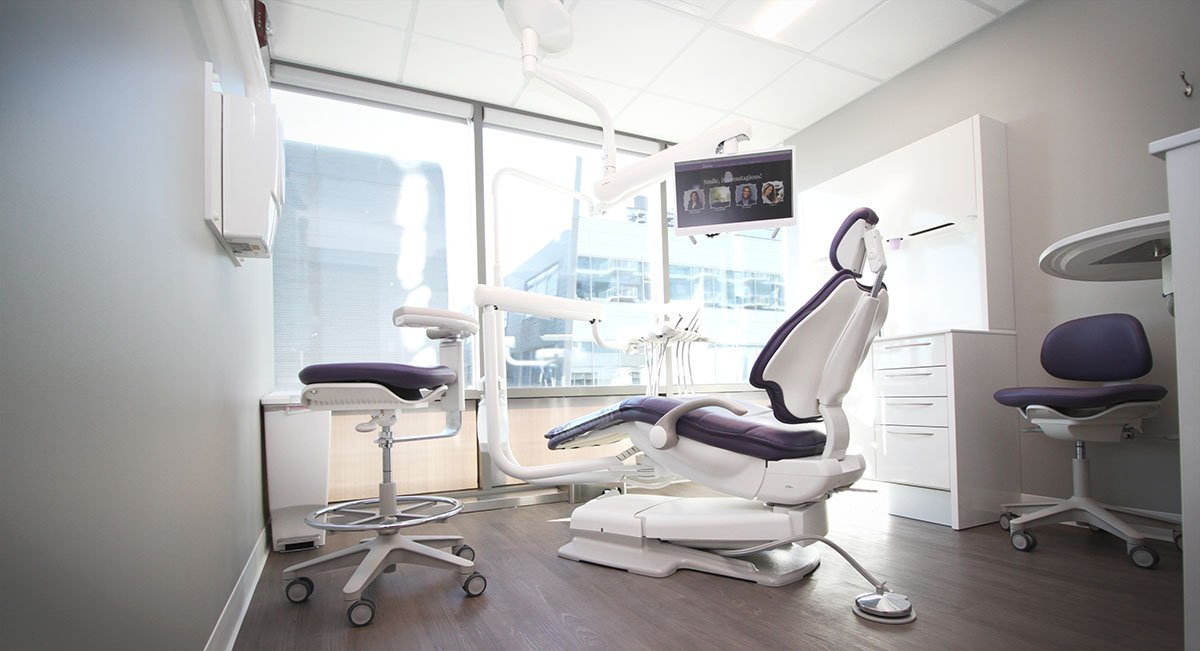
A dental bridge replaces one or more missing teeth by anchoring a natural-looking replacement tooth to the healthy teeth or implants on either side of the gap. At Brush Street Dental Boutique in Chicago's West Town, we design custom bridges that restore your bite, fill the gap in your smile, and help keep your remaining teeth from shifting out of place.
What is a dental bridge?
A bridge literally "bridges" the space left by a missing tooth. The replacement tooth in the middle is called a pontic, and it's held in place by crowns cemented onto the neighboring teeth (called abutments) or by dental implants. Once it's in, a bridge looks, feels, and functions much like your natural teeth.
Why replacing a missing tooth matters
Leaving a gap does more than affect how your smile looks. Nearby teeth can gradually drift into the empty space, your bite can change, and the extra strain can wear down or loosen other teeth. A missing tooth can also make chewing and speaking harder and cause the jawbone in that area to shrink over time. A bridge restores function and helps protect the teeth you still have.
Types of dental bridges
The right type of bridge depends on where the gap is and the condition of the surrounding teeth. Common options include:
Traditional bridge: a pontic held by crowns on the natural teeth on both sides of the gap
Cantilever bridge: used when there's a healthy tooth on only one side of the gap
Maryland (resin-bonded) bridge: a more conservative option bonded to the backs of adjacent teeth
Implant-supported bridge: anchored to dental implants rather than natural teeth, ideal when several teeth are missing
At your consultation we'll examine your teeth and gums and recommend the option that fits your situation best.
What to expect
Getting a bridge usually takes a couple of visits. We first prepare the supporting teeth and take impressions so your bridge can be custom-made to match the shape and shade of your natural teeth. You'll wear a temporary bridge while yours is crafted, and at the next visit we fit, adjust, and secure the final bridge. We'll walk you through each step and make sure your bite feels right before you leave.
Caring for your bridge
With good care, a dental bridge can last many years. Brush twice a day, clean carefully under and around the bridge (we'll show you how), and keep up with regular checkups and cleanings so we can monitor the bridge and the teeth that support it.
Frequently asked questions
Bridge or implant — which is better?
Both are excellent tooth-replacement options. A bridge is often faster and doesn't require surgery, while an implant replaces the tooth root and doesn't rely on the neighboring teeth. The best choice depends on your bone, your budget, and your goals — we'll help you weigh them at your visit.
How long do dental bridges last?
With proper care and regular dental visits, many bridges last a decade or more. Good home hygiene and healthy supporting teeth are the biggest factors in how long yours will last.
Does getting a bridge hurt?
The procedure is done with local anesthetic to keep you comfortable, and most patients find it very manageable. Any mild sensitivity afterward typically settles quickly.
Missing a tooth or thinking about a bridge? Call Brush Street Dental Boutique at (773) 362-8585 or request an appointment online. You will find us in Chicago's West Town at 1457 N Halsted Street, Suite B301.